
I will exalt you, Lord,
for you lifted me out of the depths
and did not let my enemies gloat over me.
Lord my God, I called to you for help,
and you healed me.
You, Lord, brought me up from the realm of the dead;
you spared me from going down to the pit.
Sing the praises of the Lord, you his faithful people;
praise his holy name.
For his anger lasts only a moment,
but his favor lasts a lifetime;
weeping may stay for the night,
but rejoicing comes in the morning.
When I felt secure, I said,
“I will never be shaken.”
Lord, when you favored me,
you made my royal mountain[c] stand firm;
but when you hid your face,
I was dismayed.
To you, Lord, I called;
to the Lord I cried for mercy:
“What is gained if I am silenced,
if I go down to the pit?
Will the dust praise you?
Will it proclaim your faithfulness?
Hear, Lord, and be merciful to me;
Lord, be my help.”
You turned my wailing into dancing;
you removed my sackcloth and clothed me with joy,
that my heart may sing your praises and not be silent.
Lord my God, I will praise you forever.
Psalm 30
Psalm 30 contains one of the most famous verses in this entire book of poetry:
Weeping may last for the night, but joy comes in the morning.
What a blessing. What a promise. What a hope.
Though we have trouble and pain today, relief and joy will be here soon and last forever.
But when we consider the full context of Psalm 30, we begin to see even more than just one verse.
From every indication, this psalm was written by David at the dedication of God’s Temple in Jerusalem.
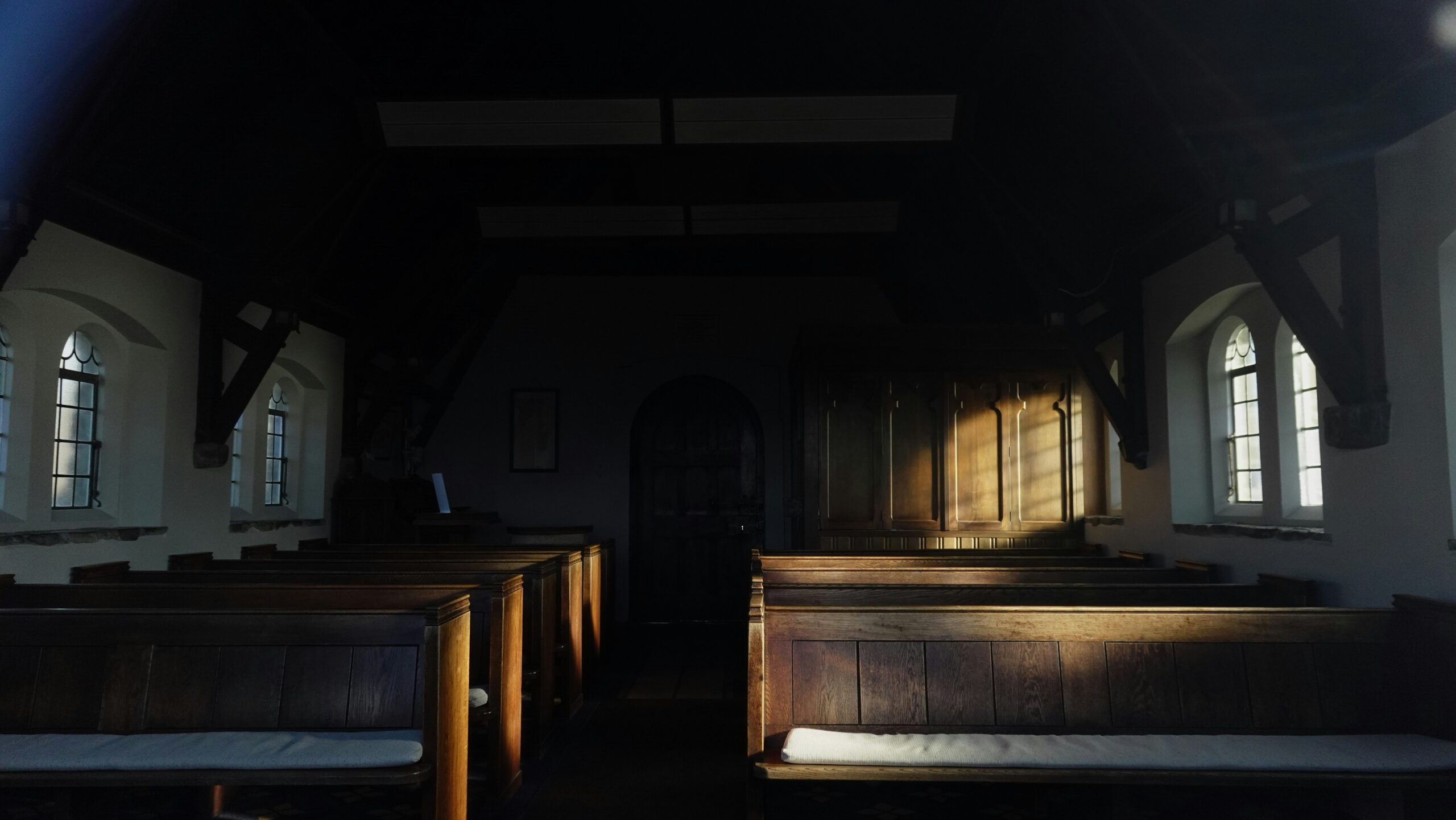
If you could picture it today: The crowd was gathered at church.
And David praises God for two reasons:
1. He praises God for rescuing him from despair.
I will exalt You, Lord, for You have lifted me up… I cried to You for help, and You healed me.
We are not sure if David was speaking of a specific trial he had just emerged from or was reflecting on his life in totality.
But he rejoiced because he had experienced the deepest depths of despair and the depravity of this world, and God had rescued him from it.
2. He praises God for being faithful when his own pride in worldly success got the best of him.
Now as for me, I said in my prosperity, “I will never be moved.”… And to the Lord I pleaded for compassion.
Most commentators believe this was a reference to a sin of arrogance that David had committed in I Chronicles 21 by calling for a census of his soldiers.
David wanted to know how powerful his army was, as a means to find both pride and security in earthly power—rather than in God himself. And the Lord punished him and Israel for his sin.
And with that backdrop, David set out to dedicate the temple to the Lord.
In the presence of God, reflecting back on his life, David praised the Lord for two reasons:
At the lowest of his lows, God was there—providing for him. And at the highest of his highs (worldly speaking), God was there—providing for him. Amazing!
Why am I reflecting on this today?
Because that is the heart posture that all of us need every time we go to church.
The next time you gather with believers, remind yourself:
When I was at my lowest, the Lord was there. And when I was doing so well I was tempted to trust in myself or my riches, the Lord was there.
Through it all—the highs and the lows—God has been delivering me.
And it is Him that I am here to worship.
Prayer
Heavenly Father, thank You for being present and loving me at all times—through the highs and lows. Help me trust You at all times. Thank You for the incredible promise of joy and eternity with You. Amen.